
Preparing for a 72-hour power outage requires more than just storing supplies; it involves understanding your essential needs and creating a solid plan. From gathering the right resources to securing your home, each step is crucial to staying safe and comfortable. But where should you start, and what key elements must be in place to ensure you’re truly prepared? The answers can make all the difference when power goes out unexpectedly.
Assessing Your Basic Needs and Creating a Checklist
To effectively prepare for a 72-hour power outage, you need to identify and prioritize your basic needs. Start by considering essentials like water, food, shelter, and medical supplies.
Determine how much water your household consumes daily and ensure you have enough for three days. List non-perishable foods that are easy to prepare or eat without power.
Think about your shelter’s safety and comfort, including blankets or clothing layers. Don’t forget medical needs, such as prescriptions, first aid kits, and any necessary equipment.
Create a checklist to track these items and needs, ensuring nothing gets overlooked. This step helps you stay organized and focused, so you can quickly gather what’s necessary when the power goes out.
Gathering and Storing Essential Supplies
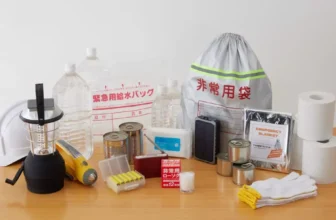
How can you ensure you have all the necessary supplies ready before an outage occurs? Start by creating a comprehensive list of essentials, including water, non-perishable food, medications, batteries, flashlights, and first aid supplies.
Gather these items in advance, checking expiration dates and functionality regularly. Store your supplies in a designated, easily accessible location, preferably in sturdy containers to prevent damage.
Consider the needs of all household members, including pets. Keep extra supplies on hand to account for unexpected delays or increased needs.
Remember, having a well-stocked, organized supply kit minimizes stress during an outage and helps you respond quickly and effectively.
Regularly review and replenish your supplies to ensure everything remains in good condition and ready for use when needed.
Planning for Communication and Safety
Since power outages can disrupt regular communication channels, it’s essential to have a solid plan in place to stay connected and ensure everyone’s safety. Make sure everyone in your household knows how to reach each other if phones go down.
Keep a list of emergency contacts on paper, including neighbors, local authorities, and family members outside your area.
Consider investing in battery-powered or hand-crank radios to stay informed about updates and emergency alerts.
Establish safety protocols, like checking on neighbors or designated meeting points.
Practice your communication plan regularly so everyone understands what to do.
By preparing these systems ahead of time, you reduce chaos and stay safe during a power outage.
Clear planning helps you respond quickly and confidently when the lights go out.
Preparing Your Home and Staying Informed
Preparing your home for a power outage involves more than just having a plan; it requires practical steps to keep your environment safe and information accessible. Start by securing essential supplies like flashlights, batteries, and a battery-powered radio. Store enough non-perishable food and water to last three days.
Protect your electronics with surge protectors, and consider installing a backup power source if feasible. Keep important documents in a waterproof, easily accessible location. Stay informed by having multiple ways to receive updates, such as a battery-powered radio, mobile alerts, or social media.
Regularly check and update your emergency kit and ensure everyone in your household knows the plan. Staying prepared helps you respond calmly and efficiently during a power outage.
Conclusion
By assessing your needs, gathering supplies, and planning your communication and safety measures, you’ll be better prepared for a 72-hour power outage. Stay organized with a checklist, keep important documents safe, and practice your plan regularly. Make sure your home is secure, and stay informed through reliable sources. With these steps, you’ll boost your confidence and be ready to handle the situation calmly and effectively, keeping yourself and your loved ones safe.
Trending Products


![WELALO Solar Spot Lights Outdoor, [6 Pack/65 LED/3 Modes] 2-in-1 Solar Landscape Spotlights, Solar Powered Security Lights, IP68 Waterproof Wall Lights for Walkway Yard Garden Driveway(Cool White)](https://m.media-amazon.com/images/I/51+aY7JzlNL._SS300_.jpg)