
During a power outage, you need to be quick and strategic to keep your food safe. Knowing how to properly store perishable items and prepare food without electricity can prevent spoilage and illness. But what are the best methods to extend the freshness of your supplies and cook safely without power? Exploring these techniques can make a significant difference when the lights go out and help you stay prepared.
Assessing and Preserving Perishable Food Supplies
When a power outage occurs, it’s crucial to quickly assess your perishable food supplies to prevent waste and ensure safety. First, check the remaining time your refrigerator and freezer can keep food cold.
A full freezer stays cold longer than a partially filled one, so prioritize items you want to save. Use a thermometer to monitor temperatures; perishable foods should stay below 40°F.
Remove any food that has been above this temperature for over two hours, as they’re unsafe to eat. Keep fridge doors closed as much as possible to maintain cold.
If you notice spoilage or a bad smell, discard the items immediately. Staying alert and proactive helps you minimize waste and protect your health during a power outage.
Proper Storage Techniques to Extend Freshness
To maximize the freshness of your food during a power outage, proper storage techniques are essential. Keep your refrigerator at its coldest setting, ideally below 40°F, and avoid opening the door unnecessarily to maintain the cold temperature.
Store perishable items in airtight containers or tightly sealed bags to prevent spoilage and contamination. Use cooler boxes with ice packs for foods that need to stay cold longer, especially if the outage lasts several hours.
Place most perishable goods in the coolest part of your fridge or basement if available. For perishables that won’t last, consider freezing them beforehand or using coolers with ice to extend their freshness.
Proper storage minimizes spoilage and keeps your food safe for as long as possible during a power outage.
Safe Food Preparation and Cooking Alternatives
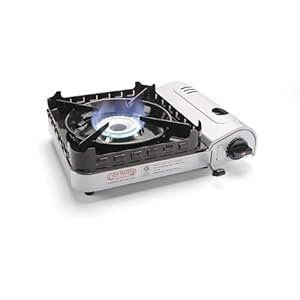
During a power outage, traditional cooking methods may not be available, but you can still prepare safe and nourishing meals using alternative techniques. Portable stoves, such as propane or butane burners, are effective options if you have them and use them outdoors in well-ventilated areas.
A grill—gas or charcoal—can also serve as a reliable cooking method, allowing you to cook meats, vegetables, and even boil water. If you have a campfire, you can use it for roasting or boiling food with proper safety precautions.
Additionally, no-cook recipes like sandwiches, salads, and canned foods are excellent during outages. Always ensure that food is heated thoroughly to kill bacteria, and keep raw and cooked foods separate to prevent cross-contamination.
Preventing Food Waste and Discarding Unsafe Items
Keeping your food safe and reducing waste starts with regularly checking the condition of perishable items.
During a power outage, your refrigerator and freezer may lose temperature, risking spoilage. Inspect items for off-odor, discoloration, or slimy textures—these indicate spoilage. When in doubt, discard questionable foods to prevent foodborne illnesses.
Use a thermometer to monitor your freezer’s temperature; if it rises above 40°F (4°C) for more than two hours, toss the contents.
Be mindful of opened cans or jars; if they’ve been exposed to unsafe temperatures, discard them.
Keep track of how long perishable foods stay unrefrigerated. When in doubt, it’s safer to discard than to risk consuming unsafe food, helping you minimize waste and protect your health.
Conclusion
During a power outage, keep your perishables cold, avoid opening the fridge or freezer often, and use coolers with ice packs for extended storage. When cooking, opt for portable stoves or outdoor grills, and always check for spoilage before eating. Prioritize food safety by discarding unsafe items. Staying vigilant helps prevent illness and reduces waste, ensuring you and your family stay safe until power is restored.
Trending Products